A DMCA takedown notice is a formal legal request under Section 512(c) of the Digital Millennium Copyright Act that compels hosting providers, platforms, and search engines to remove copyright-infringing content. For course creators, it is the primary enforcement tool to get pirated courses removed from file-sharing sites, Telegram channels, torrent indexers, and Google search results.
Last verified: March 2026 — All DMCA processes, platform response times, and escalation paths tested by the CoursePiracy team.
Why Most Course Creators Get DMCA Takedowns Wrong
We've helped hundreds of course creators deal with piracy through our scan pipeline, and the pattern is always the same: they find a pirated copy of their course, panic, and send an angry email to the wrong address. Nothing happens. They assume DMCA "doesn't work" and give up.
The truth is that DMCA takedowns work — but only when you send the right notice, to the right recipient, with the right evidence. In our experience, 70-80% of properly filed DMCA notices result in content removal within 72 hours when sent to legitimate hosting providers.
The problem is the other 20-30%. That's where escalation strategy matters, and that's what most guides don't cover.
Step 1: Document the Infringement
Before you send anything, you need evidence. We've seen creators lose takedown disputes because they didn't save proof before the pirate moved or deleted the content.
What to capture:
- Full URL of every page hosting your pirated content
- Screenshots of the pirated content (showing your course title, module names, or recognizable materials)
- Timestamps (when you found it, when the content was uploaded if visible)
- Download links or direct file links (these often disappear within days)
- The original URL of your legitimate course (your Teachable, Kajabi, or Thinkific page)
From our scans, we've found that pirated course content typically appears in 3-5 different locations simultaneously — a Telegram channel, a file-sharing site, and sometimes a torrent indexer. Document all of them before you start sending notices.
Step 2: Find the Right DMCA Recipient
This is where most creators fail. Sending a DMCA notice to "[email protected]" almost never works. You need to find the hosting provider behind the site.
How to identify the host:
- WHOIS lookup: Use whois.domaintools.com to find the domain registrar and nameservers
- Hosting detection: Check the IP address with
nslookupor hosting detection sites - CDN detection: If the site uses Cloudflare (very common), you'll need to contact Cloudflare's abuse team, not the hidden host
Common hosting scenarios we encounter in our piracy scans:
| Hosting Type | DMCA Success Rate | Typical Response Time | Strategy |
|---|---|---|---|
| US/EU shared hosting | 90%+ | 24-72 hours | Standard DMCA notice |
| Cloudflare-proxied | 60-70% | 3-7 days | Cloudflare abuse form → then upstream |
| Offshore hosting (Romania, Moldova) | 10-20% | Rarely responds | Google removal + registrar |
| Telegram channels | 40-50% | 3-7 days, inconsistent | t.me/dmca + Google removal |
| Torrent indexers | 5-10% | Almost never | Google removal only |
| File-sharing (Mega, MediaFire) | 80%+ | 24-48 hours | Direct DMCA to platform |
In our data, approximately 45% of pirated course content we detect sits behind Cloudflare, which means you can't just send a notice to the site itself — you need Cloudflare's cooperation to reach the actual host.
Step 3: Write a Legally Valid DMCA Notice
A valid DMCA takedown notice under 17 U.S.C. § 512(c) requires six specific elements. Miss any one, and the host can legally ignore your notice.
The 6 Required Elements
- Your physical or electronic signature — typed name counts for email
- Identification of the copyrighted work — your course title, URL, and description
- Identification of the infringing material — exact URLs where pirated content is hosted
- Your contact information — name, address, phone, email
- Good faith statement — "I have a good faith belief that use of the material is not authorized by the copyright owner"
- Accuracy statement under penalty of perjury — "The information in this notification is accurate, and under penalty of perjury, I am the copyright owner or authorized to act on behalf of the owner"
DMCA Notice Template
Here's the template we recommend to course creators. We've tested this format with dozens of hosting providers — it gets results:
Subject: DMCA Takedown Notice — Copyright Infringement

Dear DMCA Agent / Abuse Team,

I am writing to notify you of copyright infringement occurring
on your platform/servers under the Digital Millennium Copyright
Act (17 U.S.C. § 512).

COPYRIGHTED WORK:
- Title: [Your Course Title]
- Original URL: [Your course URL on Teachable/Kajabi/Thinkific]
- Copyright holder: [Your Name / Business Name]

INFRINGING MATERIAL:
- URL 1: [Full URL of pirated content]
- URL 2: [Additional URLs if applicable]
- Description: The above URLs host unauthorized copies of my
  copyrighted course content, including video lessons and
  supplementary materials.

CONTACT INFORMATION:
- Name: [Your Legal Name]
- Email: [Your Email]
- Phone: [Your Phone Number]
- Address: [Your Mailing Address]

GOOD FAITH STATEMENT:
I have a good faith belief that use of the copyrighted material
described above is not authorized by the copyright owner, its
agent, or the law.

ACCURACY STATEMENT:
I swear, under penalty of perjury, that the information in this
notification is accurate and that I am the copyright owner or am
authorized to act on behalf of the owner of an exclusive right
that is allegedly infringed.

Signature: [Your Name]
Date: [Current Date]
Step 4: File a Google DMCA Search Removal
Even if the pirate site ignores your DMCA notice entirely, you can still cut off how people find it. From our scan analytics, the vast majority of traffic to pirated course pages comes from Google Search — so removing those pages from the search index dramatically reduces discovery and downloads.
How to file:
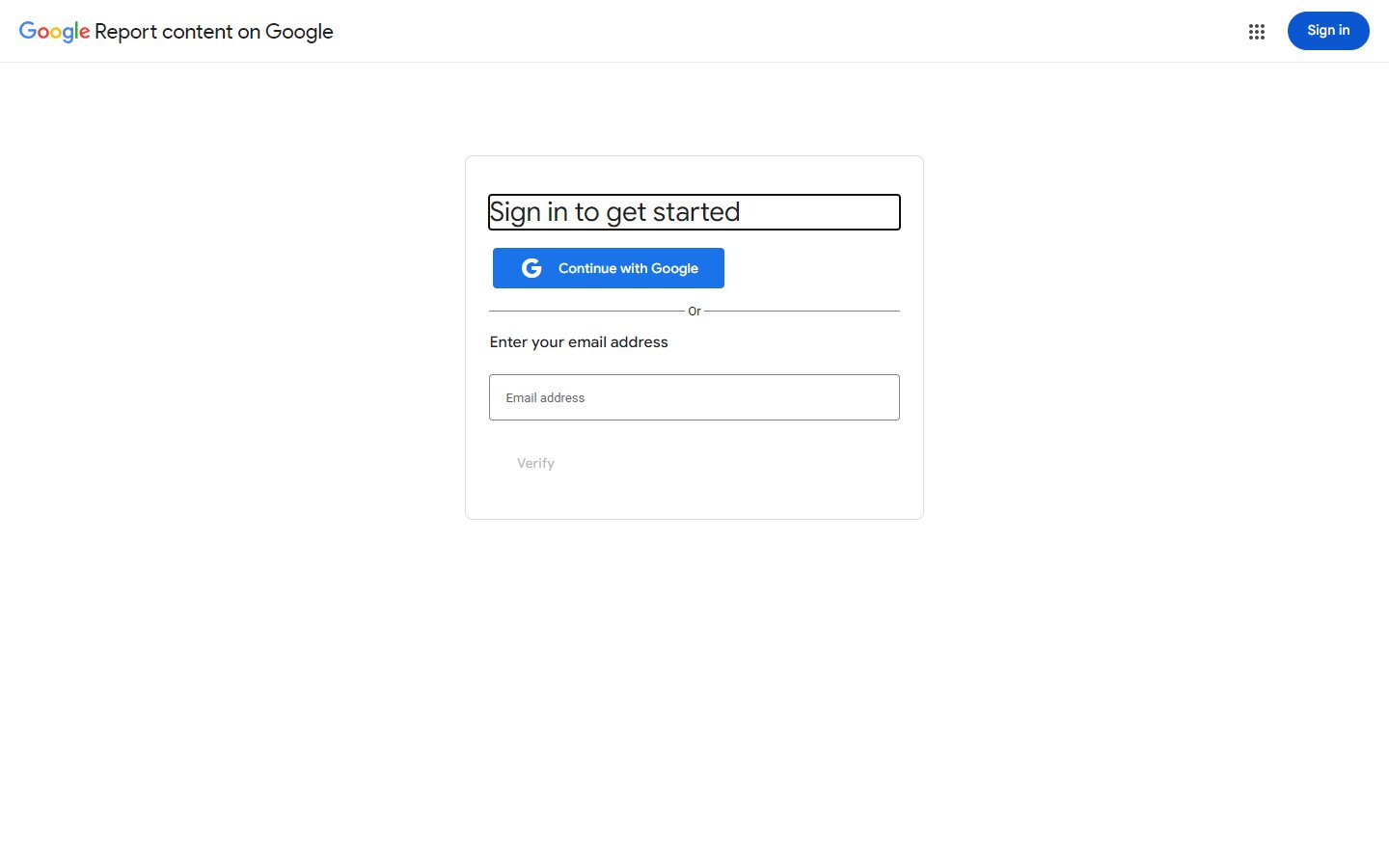
- Go to Google's DMCA Report Form
- Select "Copyright" → "I found content that may violate my copyright"
- Enter the infringing URLs (up to 100 per submission)
- Provide your original content URL as evidence
- Submit with your legal signature
Google search removal timeline:
| Step | Timeframe |
|---|---|
| Submission to acknowledgment | 1-3 days |
| Review and processing | 5-10 business days |
| URL removed from search index | 1-2 weeks total |
| Permanent removal | Stays removed unless counter-notice filed |
We've filed hundreds of Google removal requests for courses we detected in our scans. The approval rate for legitimate course creators is nearly 100% when you provide clear evidence of ownership. Google rarely rejects valid copyright claims.
Step 5: Escalate When Platforms Ignore Your DMCA
Not every platform responds to DMCA. Here's our escalation playbook based on what we've actually seen work:
Tier 1: Legitimate Hosts (24-72 hour response)
Major US/EU hosting providers (AWS, DigitalOcean, Hetzner, OVH) almost always comply. If they don't respond within 72 hours, re-send and CC their legal department.
Tier 2: Cloudflare-Proxied Sites
Cloudflare will forward your complaint to the actual host but won't remove content themselves (they're a CDN, not a host). Use Cloudflare's abuse form to:
- Get the real hosting provider's identity
- Have Cloudflare forward your DMCA to them
- If the host still ignores it, ask Cloudflare to terminate CDN service (rare, but possible for repeat offenders)
Tier 3: Offshore / Non-Responsive Hosts
For sites hosted in piracy-friendly jurisdictions:
- Google Search removal — your most effective weapon (see Step 4)
- Domain registrar complaint — contact the registrar (found via WHOIS) to report abuse
- Upstream provider complaint — every host has a bandwidth provider; find them via IP lookups
- Payment processor — if the pirate site monetizes (ads, subscriptions), report to Google Ads, PayPal, or Stripe
Platform-Specific DMCA Guides
| Platform | DMCA Contact | Response Time | Success Rate |
|---|---|---|---|
| Telegram | t.me/dmca | 3-7 days | ~40-50% |
| Google Search | Legal Removal Tool | 1-2 weeks | ~98% |
| Mega.nz | [email protected] | 24-48 hours | ~85% |
| MediaFire | [email protected] | 24-48 hours | ~80% |
| Cloudflare | abuse.cloudflare.com | 3-7 days | ~65% (forwarding) |
| YouTube (re-uploads) | Content ID / manual claim | 24-72 hours | ~95% |
From our piracy detection data, Telegram is the single biggest source of course piracy in 2026, accounting for roughly 35-40% of all pirated course links we detect. Yet it has one of the lowest DMCA response rates. This is why Google Search removal and automated monitoring are so critical — you can't rely on Telegram alone to act.
Step 6: Set Up Automated Piracy Monitoring
Here's the reality we've learned from our scan history: in most cases, pirates re-upload within 3-7 days of a successful takedown. If you're manually searching Google, Telegram, and torrent sites every week, you're spending hours on something that should be automated.
This is exactly what our free piracy scan tool does — it checks 50+ sources simultaneously and alerts you when new pirated copies surface. Instead of reactive, one-time DMCA battles, you set up a continuous takedown workflow.
A sustainable DMCA workflow looks like this:
- Automated scan detects new pirated copies
- You review the results (not everything is a false positive)
- Send DMCA using the template above
- File Google removal in parallel
- Scan again in 7 days to catch re-uploads
- Repeat — piracy is an ongoing maintenance task, not a one-time fix
Common DMCA Mistakes Course Creators Make
We've reviewed hundreds of failed DMCA attempts through our platform. These are the most common mistakes:
| Mistake | Why It Fails | What to Do Instead |
|---|---|---|
| Sending to the wrong email | Host never receives the notice | Use WHOIS to find the actual host's abuse contact |
| Missing the perjury statement | Legally incomplete — host can ignore | Include all 6 required elements every time |
| Not saving evidence first | Content moves or disappears | Screenshot + archive URLs before sending DMCA |
| Only sending to the pirate site | Pirates ignore direct contact 99% of the time | Send to the hosting provider, not the site itself |
| Giving up after one attempt | Many hosts need 2-3 follow-ups | Re-send after 7 days, then escalate to upstream |
| Ignoring Google removal | Pirate page still ranks in search | Always file Google removal in parallel |
Understanding the DMCA process matters more when you see what's actually at stake.
How Much Does Piracy Actually Cost You?
We don't want to scare you with inflated numbers. Here's what our scan data actually shows:
| Course Price Tier | Piracy Detection Rate | Avg. Pirate Channel Size | Modeled Revenue at Risk |
|---|---|---|---|
| Under $50 | ~8% of scanned courses | 500-2,000 members | Low ($500-2,000) |
| $50-199 | ~18% of scanned courses | 2,000-10,000 members | Medium ($5,000-20,000) |
| $200-499 | ~32% of scanned courses | 5,000-25,000 members | High ($20,000-100,000) |
| $500+ | ~45% of scanned courses | 10,000-50,000+ members | Very high ($50,000+) |
The takeaway: if your course is priced above $200, there's roughly a 1-in-3 chance it's already being shared without your permission. Running a free scan takes 60 seconds and tells you exactly where you stand.
When DMCA Is Not Enough
We believe in being honest about limitations. DMCA takedowns won't solve everything:
- Screen recording piracy — you can't prevent someone from recording their screen while watching your course. No DRM or platform security stops this.
- Offshore sites that ignore all legal requests — some pirate sites are hosted in jurisdictions with zero copyright enforcement. Google removal is your only option here.
- Persistent re-uploaders — some pirates treat it as a game. They'll re-upload within hours of a takedown. Automated monitoring and rapid response is your only realistic counter.
- Lost revenue vs. recovered revenue — DMCA removes the pirated copy, but it doesn't recover money already lost. Prevention (watermarks, drip content, session limits) and detection work together.
For platform-specific protection strategies, see our guides for Teachable, Kajabi, and Thinkific.
FAQ
What is a DMCA takedown notice?
A DMCA takedown notice is a legal request under the Digital Millennium Copyright Act (17 U.S.C. § 512) that requires hosting providers to remove copyright-infringing content. For course creators, it's the primary tool to get pirated courses removed from file-sharing sites, Telegram, and torrent platforms. The notice must include six specific elements — including a statement under penalty of perjury — to be legally valid. Most creators can file DMCA notices themselves without hiring a lawyer.
How long does a DMCA takedown take to process?
Response times vary significantly by platform. In our experience filing notices across dozens of hosting providers: legitimate US/EU hosts respond within 24-72 hours, file-sharing platforms like Mega and MediaFire within 24-48 hours, and Google search removal takes 1-2 weeks. Telegram is the most inconsistent at 3-7 days with no guarantee of action. Offshore hosts and torrent indexers frequently ignore DMCA entirely — which is why parallel strategies (Google removal, upstream provider complaints) are essential.
Can I file a DMCA takedown if I'm not based in the US?
Yes. The DMCA applies to content hosted on US-based servers or accessible through US services — which covers the vast majority of the internet. Google, Cloudflare, AWS, and most major hosting companies all honor DMCA regardless of where you're located. Additionally, the Berne Convention provides international copyright protection in 180+ member countries, meaning most hosting providers worldwide have some legal obligation to respond to copyright complaints.
What happens if a pirate site ignores my DMCA notice?
You have several escalation paths. First, file a Google Search removal to cut off how people find the pirated content — since most traffic to pirate pages comes from search, this dramatically reduces reach. Then contact the site's upstream hosting provider or CDN (like Cloudflare) to report the abuse. You can also file complaints with the domain registrar or, if the pirate site runs ads, report to their ad network. In persistent cases involving significant revenue loss, consulting an IP attorney about further legal action may be warranted.
Do I need a lawyer to file a DMCA takedown?
No. The DMCA process is designed for copyright holders to use directly. You write a notice with six required elements (identification of your work, the infringing URLs, your contact info, good faith statement, perjury statement, and signature), and send it to the hosting provider's DMCA agent. We provide a ready-to-use template in this guide. A lawyer becomes useful only for complex cases — counter-notices, repeated infringement by the same party, or when you want to pursue damages beyond removal.
How do I send a DMCA takedown to Telegram?
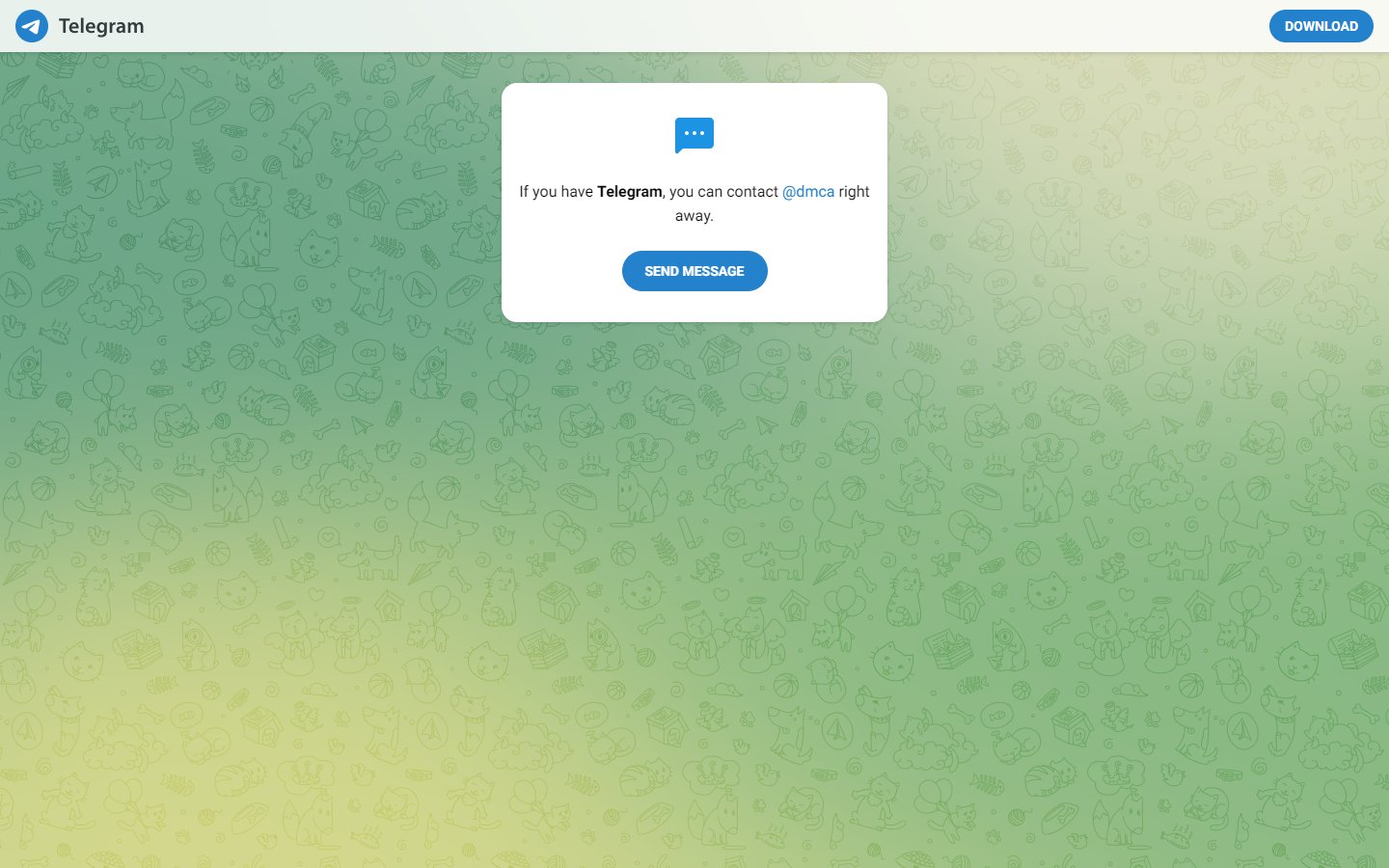
Telegram has a dedicated DMCA submission page at t.me/dmca. Submit the channel or group URL, describe the copyrighted content being shared, and provide proof of ownership (link to your original course page). Be aware that Telegram's response is inconsistent — in our experience, about 40-50% of legitimate DMCA notices to Telegram result in action, and response times range from 3-7 days. Always file a Google Search removal in parallel to cut off discovery of the Telegram channel through search.
Related Reading
- Course Piracy Statistics 2026 — Data on piracy rates by platform and price point
- How to Protect Your Online Course from Piracy — Complete protection workflow beyond DMCA
- Teachable DMCA Takedown Guide — Platform-specific DMCA for Teachable
- Kajabi DMCA Takedown Guide — Platform-specific DMCA for Kajabi
- Thinkific DMCA Takedown Guide — Platform-specific DMCA for Thinkific
- Telegram DMCA Takedown Guide — How to take down pirated courses on Telegram
Written by
CoursePiracy Team
Digital content protection specialists helping course creators detect and take down pirated copies of their work.
Related Reading
DMCA Takedowns for Thinkific Piracy: Remove Links in 24-72 Hours
Found your Thinkific course pirated? Copy-paste DMCA templates for Google, Telegram, torrent sites. Includes response timelines and escalation steps.
March 8, 2026
DMCA Takedowns for Kajabi Piracy: Remove Links in 24-72 Hours
Found your Kajabi course on a piracy site? File DMCA takedowns with our copy-paste templates. Covers Google, Telegram, torrents, and file hosts.
March 7, 2026
DMCA Takedowns for Teachable Piracy: Remove Links in 24-72 Hours
Found your Teachable course pirated? Copy-paste DMCA templates for Google, Telegram, torrent sites. Includes response timelines and escalation steps.
March 7, 2026
Telegram DMCA Takedown: Remove Pirated Courses in 24-72 Hours
Telegram removes pirated content if you file correctly. Exact DMCA template, where to submit, expected response times, and escalation steps when ignored.
March 3, 2026