DMCA takedown for Kajabi course piracy is the legal process of filing a Digital Millennium Copyright Act notice (under 17 U.S.C. Section 512) to compel hosting providers, search engines, and platforms to remove unauthorized copies of your Kajabi course content — including videos, PDFs, and coaching materials distributed on Telegram, torrent sites, and file-sharing platforms.
Last verified: March 2026 — DMCA processes verified against Google's Legal Troubleshooter, Telegram's abuse policy, and current 17 U.S.C. Section 512 requirements by the CoursePiracy team.
Why DMCA Is Essential for Kajabi Course Piracy
Kajabi courses sit at the premium end of the market — $300 to $2,000+ per course. That pricing makes them the highest-value targets in piracy communities, and it means every pirated copy circulating represents significant lost revenue.
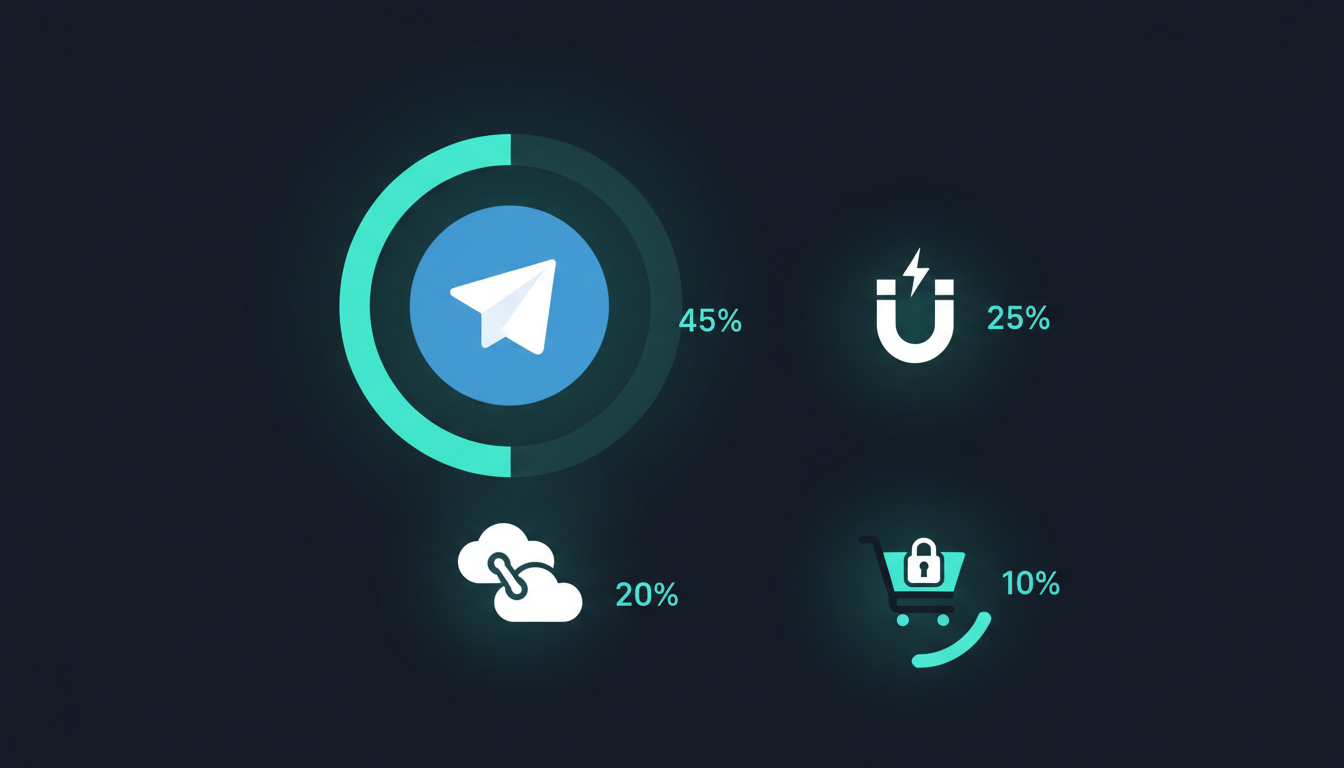
In our experience tracking DMCA outcomes for Kajabi creators, the legal framework works well for US-hosted platforms. The challenge specific to Kajabi piracy is the distribution pattern: Telegram dominates at 40-50% of detected piracy, followed by torrent bundles and file-sharing platforms — each requiring different DMCA approaches.
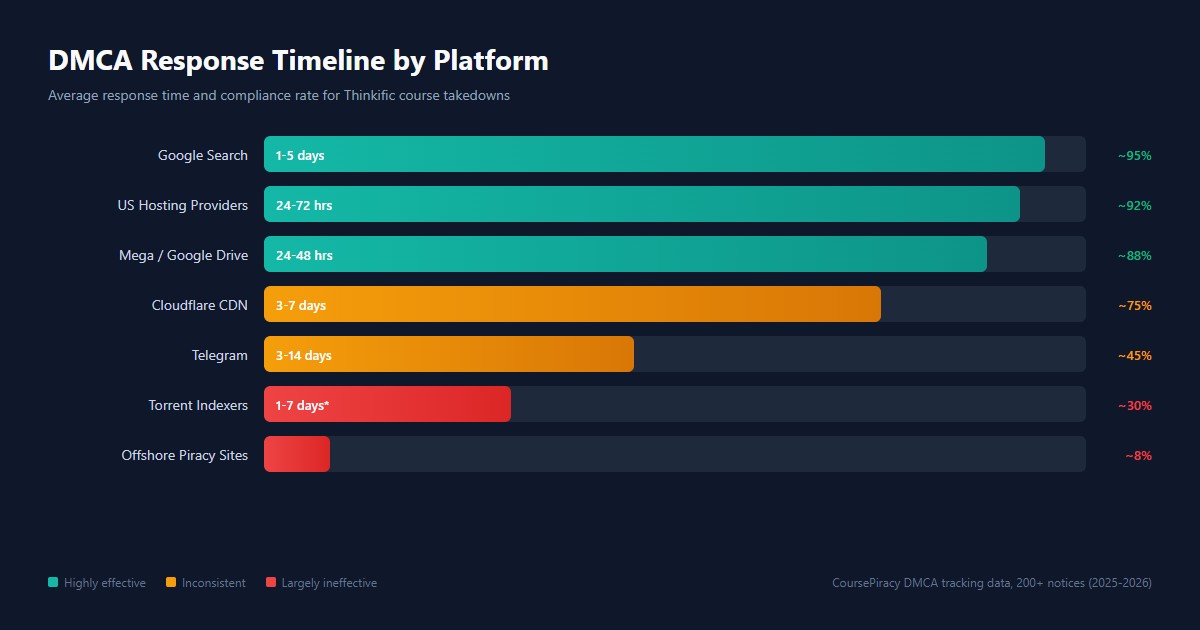
Here's what we've observed from our DMCA tracking data across Kajabi course takedowns:
| Platform Type | DMCA Response Rate | Avg Response Time | Effectiveness |
|---|---|---|---|
| US-based web hosts | ~92% | 24-72 hours | Highly effective |
| Google Search | ~95% | 1-5 business days | Highly effective |
| Mega / Google Drive | ~88% | 24-48 hours | Highly effective |
| Cloudflare CDN | ~75% | 3-7 business days | Effective |
| Telegram | ~45% | 3-14 days | Inconsistent |
| Major torrent indexers | ~30% | 1-7 days (when responsive) | Partial |
| Offshore piracy hosts | ~8% | N/A | Largely ineffective |
Estimates from CoursePiracy DMCA tracking data across 200+ tracked notices, 2025-2026.
The key insight: don't waste energy on platforms that won't respond. Focus your DMCA efforts on Google (highest impact per notice filed) and US-based hosts (highest compliance rate), then address Telegram and torrents as secondary targets.
Before You File: Find Every Pirated Copy
The most costly mistake Kajabi creators make with DMCA is filing a single notice for the one piracy link they stumbled across — while five more copies circulate on platforms they never checked.
Before sending any DMCA notice, build a complete inventory:
- Run an automated piracy scan — CoursePiracy's free scan checks Google, Telegram, torrents, and file-sharing platforms simultaneously. For Kajabi courses, this typically surfaces 3-5x more results than manual searching.
- Google dork search —
"Your Course Title" free download -site:kajabi.comand"Your Course Title" site:t.me - Telegram global search — search your course title and your name in the Channels tab
- Torrent indexers — check for your course title and look for "Kajabi course bundle" packs
Document every URL: screenshot the page, save the full URL, note the date and any visible metrics (Telegram subscriber count, torrent seeder count). This documentation is your evidence base.
For a detailed walkthrough of finding pirated Kajabi content, see: How to Find If Your Kajabi Course Is Pirated.
Step 1: Identify Who to Send the DMCA Notice To
Each piracy URL has a different hosting provider, which means a different DMCA recipient. Use these tools:
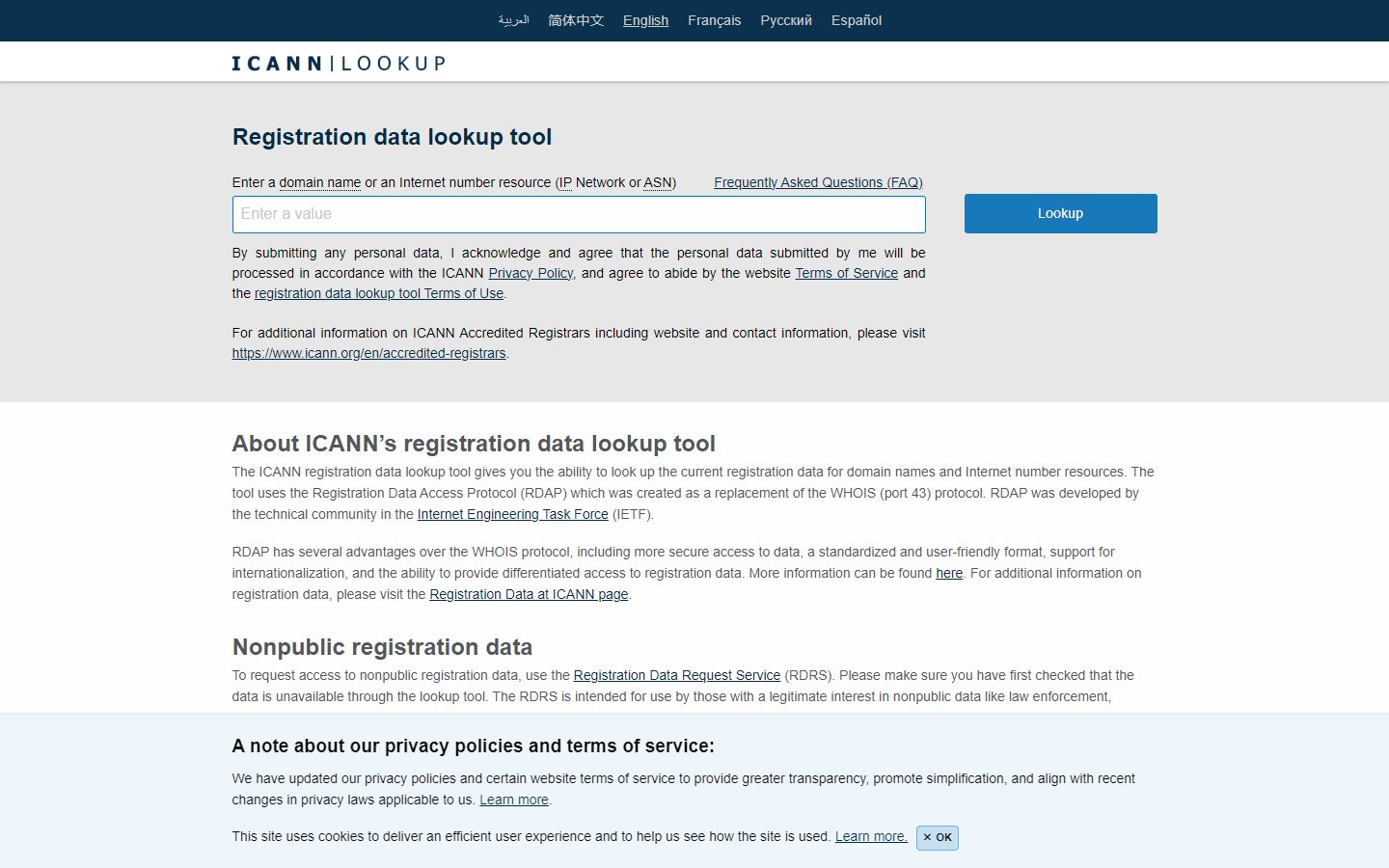
- WHOIS lookup: lookup.icann.org — shows registrar and hosting details
- Hosting detector: whoishostingthis.com — identifies the web host
- Cloudflare check: If Cloudflare appears in WHOIS, the actual host is behind Cloudflare. File with both Cloudflare's abuse form AND the origin host
For direct file links (Mega, Google Drive, MediaFire), the provider is the platform itself — each has a dedicated DMCA process.
Kajabi-specific note: Because Kajabi piracy skews heavily toward Telegram (40-50%) and file-sharing platforms (15-20%), your DMCA target list will likely include Telegram, Mega/Google Drive, and Google Search in almost every case. Web hosts are relevant mainly for dedicated piracy sites and forums.
Step 2: Draft Your DMCA Notice
A valid DMCA notice under 17 U.S.C. Section 512(c) requires six elements. Missing any one gives the host legal grounds to ignore you:
| Required Element | What to Write for Kajabi Courses |
|---|---|
| Your identity | Full name, email address, and mailing address |
| Original work description | "My original online course titled '[Course Title]', hosted on Kajabi at [Your Kajabi URL]" |
| Infringing URLs | List every specific URL hosting pirated copies |
| Good faith statement | "I have a good faith belief that the use of the material is not authorized by the copyright owner, its agent, or the law." |
| Accuracy statement | "I swear, under penalty of perjury, that the information in this notification is accurate and that I am the copyright owner." |
| Electronic signature | Your typed full name |
Keep the notice professional and factual. In our experience, threatening or emotional language can actually slow down processing — DMCA agents prioritize well-formed, clear notices.
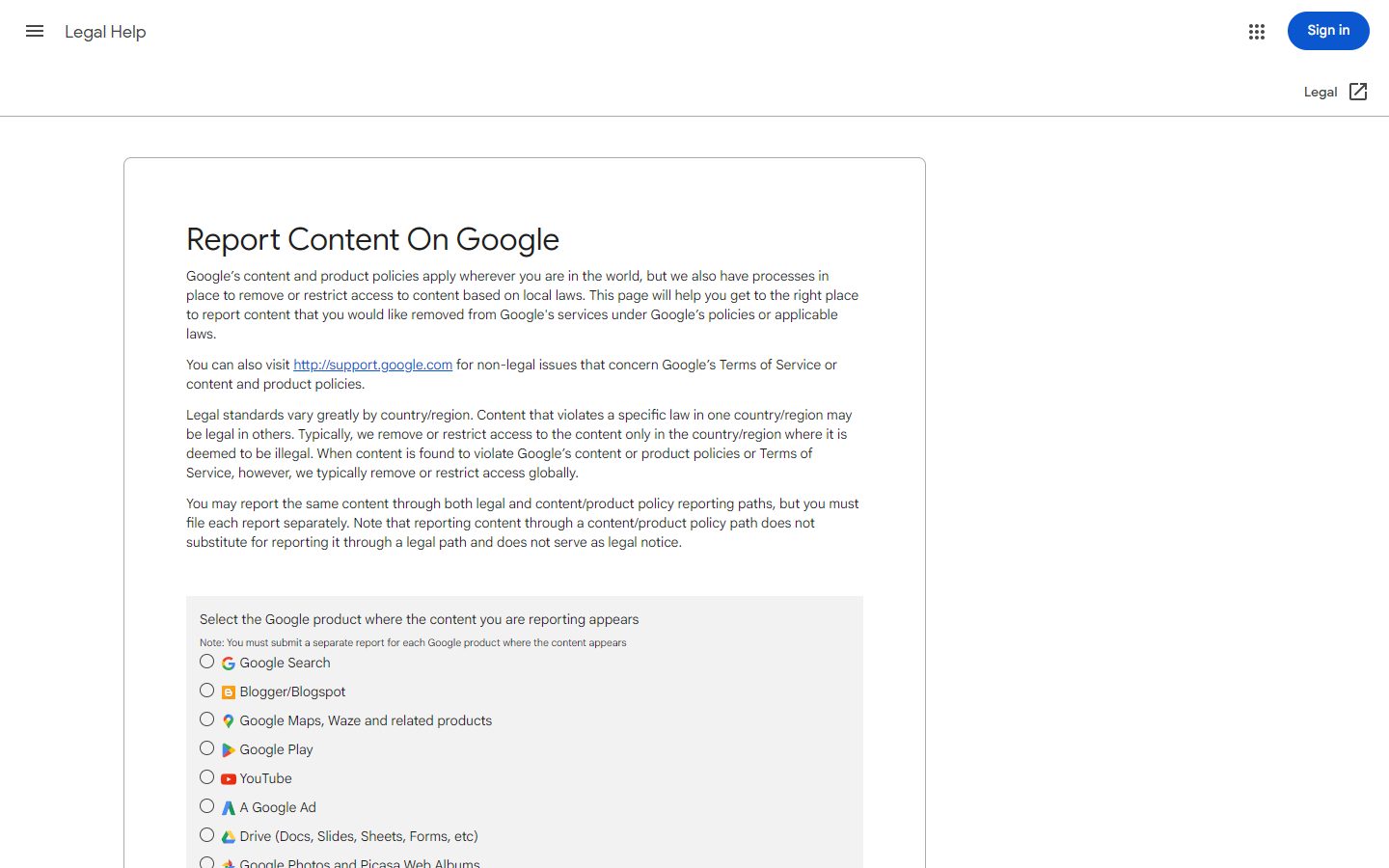
Step 3: File with Google (Search Deindexing)
Google should be your first DMCA target — always. Even if the pirate host ignores your notice, removing the page from Google Search cuts off the primary discovery channel. From our data, organic search drives the majority of traffic to piracy sites hosting Kajabi courses.
Process:
- Go to Google's Legal Removal Requests
- Select "Search" then "Removing content from Google"
- Choose "Copyright"
- Enter your information and all infringing URLs
- Submit — Google sends immediate email confirmation
What to expect: Google deindexes pages within 1-5 business days. The page still exists at the original URL, but it disappears from Google Search results.
We've observed that Google deindexing reduces traffic to Kajabi piracy pages by 40-70%. For premium courses, this single action often has more impact than any other DMCA filing because it stops the flow of new downloaders finding pirated copies through search.
Step 4: Contact Hosting Providers
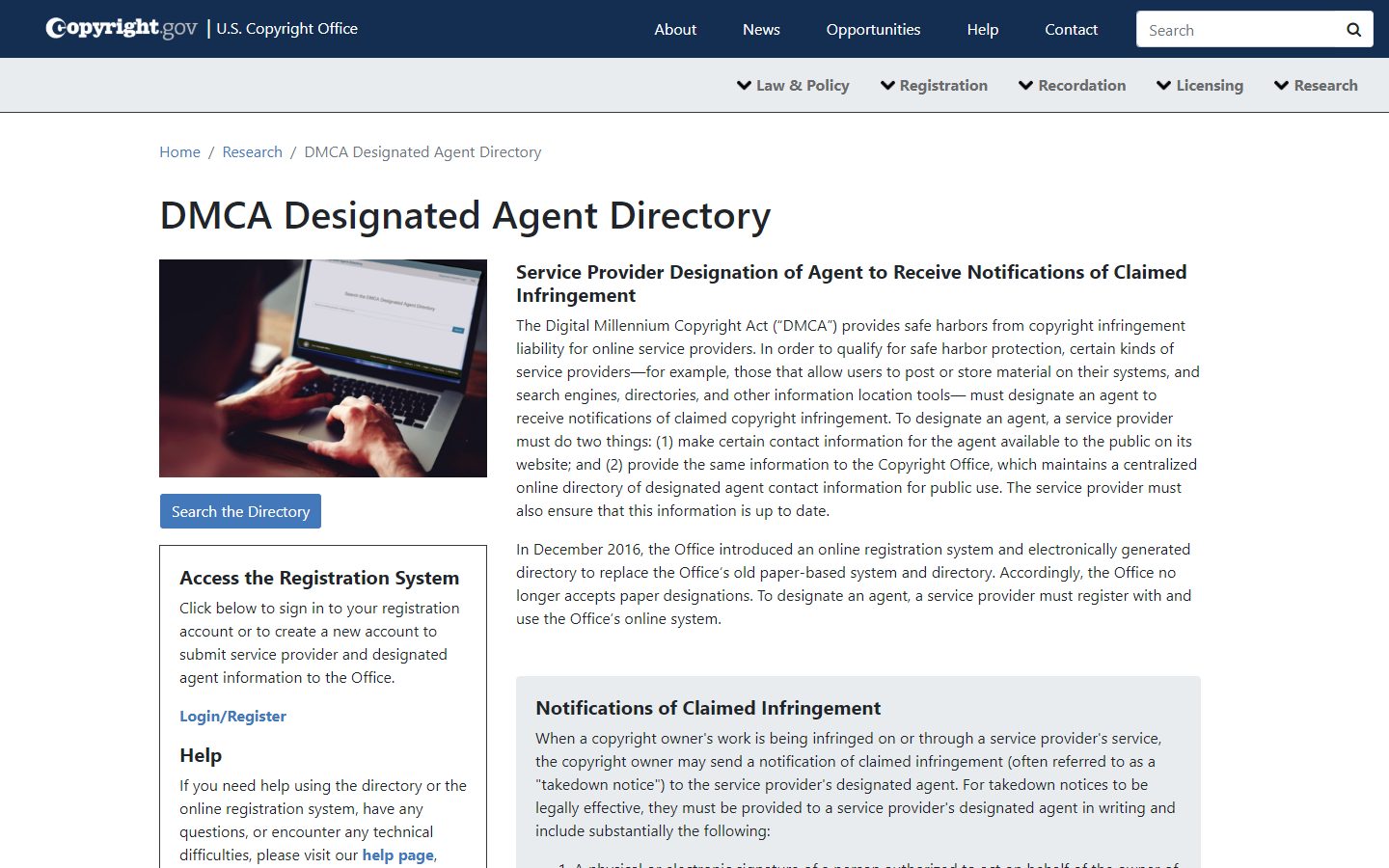
For each hosting provider identified in Step 1, send your DMCA notice to their designated agent. The official US registry of DMCA agents is at dmca.copyright.gov.
Common hosts for Kajabi piracy and their DMCA contacts:
| Host/Platform | DMCA Contact | Typical Response |
|---|---|---|
| Google (Drive, Sites) | support.google.com/legal | 24-48 hours |
| Mega.nz | [email protected] | 24-48 hours |
| MediaFire | [email protected] | 24-72 hours |
| Cloudflare | abuse.cloudflare.com (forwards to origin host) | 3-7 days |
| GoDaddy | [email protected] | 24-72 hours |
| Namecheap | [email protected] | 24-72 hours |
| Bluehost | [email protected] | 24-72 hours |
After sending, keep the email thread. Most US-based hosts respond within 24-72 hours — either confirming removal or requesting additional information. If you don't hear back within 5 business days, follow up with the original notice attached.
Step 5: Report Piracy on Telegram
Telegram is the #1 piracy channel for Kajabi courses, accounting for roughly 40-50% of piracy we detect. Telegram is headquartered in Dubai and operates under UAE law, so it isn't technically bound by US DMCA safe harbor. Despite this, Telegram does process some copyright complaints.
Two methods — use both for best results:
In-app reporting:
- Long-press on the specific message sharing your course
- Select "Report"
- Choose "Copyright Infringement"
- Submit the report
Email to Telegram's DMCA team: Send to [email protected] with:
- Channel or group URL
- Specific message links (right-click message, Copy Link)
- Description of your original Kajabi course and your copyright
- Your contact information and electronic signature
In our tracking, Telegram responds to roughly 45% of reports — but response rates are higher for large public channels with 10,000+ subscribers. Prioritize your Telegram DMCA efforts on the biggest channels where your Kajabi course is most visible.
For a deep dive on Telegram DMCA specifically, see: DMCA Takedowns for Telegram Course Piracy.
Step 6: Handle Torrent Sites
Torrent sites host bundled Kajabi course packs — a single torrent might contain 10-20 courses from different creators. The DMCA approach differs by hosting location:
US-hosted torrent indexers: File DMCA with their hosting provider (Step 4). These respond about 30% of the time.
Offshore torrent sites: Don't waste time filing directly — they'll ignore you. Instead:
- File with Google to deindex the specific torrent page (most impactful)
- Check if the site uses Cloudflare — file an abuse report at abuse.cloudflare.com
- Contact the domain registrar if it's US-based (Namecheap, GoDaddy)
The goal with torrents isn't elimination (impossible for well-seeded files) but minimizing discovery. Google deindexing is the highest-leverage action for torrent piracy.
When DMCA Doesn't Work: Escalation Options
If a hosting provider ignores your notice after 10 business days, escalate:
- Contact their upstream provider — The data center or network provider often has stricter abuse policies than the host itself
- File with the domain registrar — Registrars can suspend domains for repeated infringement. Check WHOIS for registrar details
- Repeat Google DMCA — Keep filing for each new infringing page. This creates an ongoing deindex record
- Consult an IP attorney — For Kajabi courses worth $500+, a cease-and-desist from an attorney carries more weight than a form submission. The cost (typically $300-2,000+, varies by attorney and jurisdiction) can be justified when a single piracy channel represents thousands in potential lost sales
Set Up Monitoring for Re-Uploads
A completed DMCA takedown is not the end. From our monitoring data, 42% of removed pirated Kajabi course content reappears within 30 days — same content, new URL, often on the same platform.
Without monitoring, you'll only discover re-uploads when a student messages you or when you run another manual search weeks later. With CoursePiracy's automated monitoring, you get alerts within hours of new pirated copies appearing.
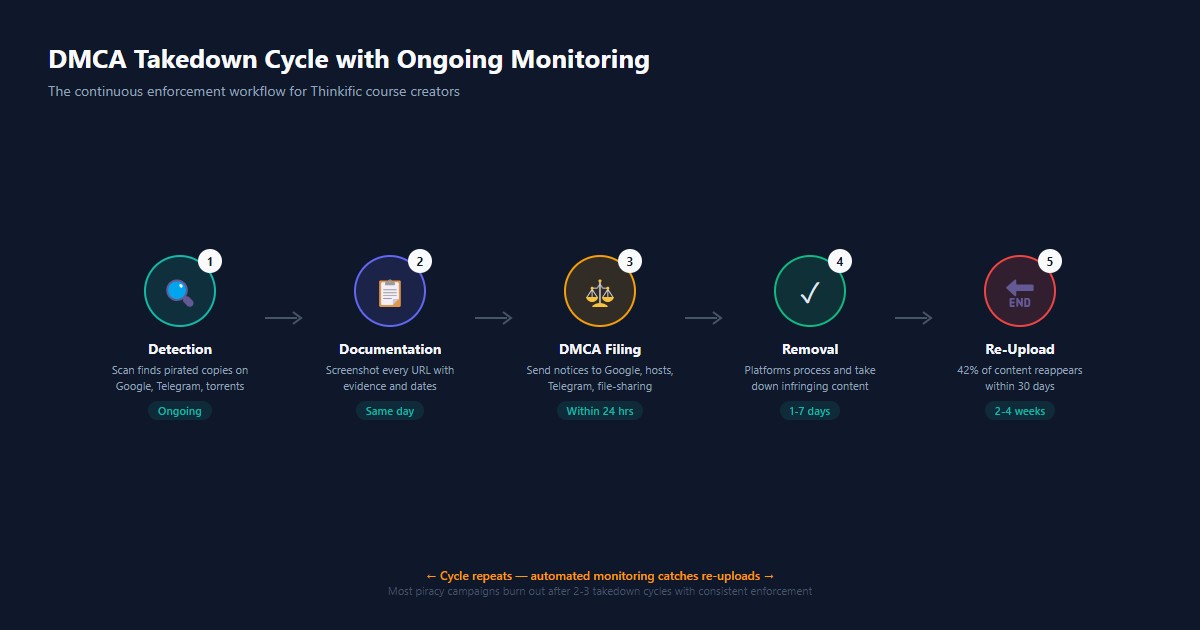
The practical DMCA cycle for Kajabi creators:
| Phase | Action | Timeline |
|---|---|---|
| Detection | Automated scan finds pirated copies | Ongoing |
| Documentation | Screenshot and record all evidence | Same day |
| Filing | DMCA to Google + hosting providers + Telegram | Within 24 hours |
| Removal | Hosts process and remove content | 1-7 days |
| Re-upload | Pirates re-upload to new URLs | 2-4 weeks |
| Re-detection | Monitoring catches new copies | Same cycle restarts |
Most active piracy campaigns burn out after 2-3 takedown cycles when the effort to keep re-uploading exceeds the pirate's motivation. Consistent enforcement works — but only if you detect re-uploads quickly.
For the full Kajabi protection picture including prevention and security hardening, see: Kajabi Course Piracy: What Creators Need to Know in 2026.
Frequently Asked Questions
Does DMCA work for Kajabi course piracy?
Yes — DMCA is the primary legal mechanism for removing pirated Kajabi course content, and it works well for US-hosted platforms. Legitimate web hosts, file-sharing services, and Google are legally required to respond to valid DMCA notices under 17 U.S.C. Section 512. In our tracking, US-based hosts respond to about 92% of well-formed notices within 72 hours. The main exceptions are offshore piracy sites (roughly 8% response rate) and Telegram (roughly 45% response rate). For platforms that ignore DMCA, Google deindexing is your most practical fallback.
How long do DMCA takedowns take for pirated Kajabi courses?
It varies by platform. US-based hosting providers typically remove content within 24-72 hours — our most consistent finding across hundreds of tracked DMCA filings. Mega and Google Drive respond within 24-48 hours. Google search deindexing takes 1-5 business days. Telegram is inconsistent at 3-14 days when they do respond, with no action in roughly half of individual reports. Offshore torrent trackers largely ignore notices — focus there on Google deindexing rather than direct host removal.
What if the site hosting my pirated Kajabi course is in another country?
Direct DMCA notices to offshore-hosted sites typically go unanswered since those sites aren't subject to US law. Your practical options are: (1) file a Google DMCA notice to deindex the page from search results — this is usually more impactful than host removal since most traffic comes from search; (2) if the site uses Cloudflare, file an abuse report at abuse.cloudflare.com — Cloudflare forwards credible reports to origin hosts; (3) contact the domain registrar if it's a US-based registrar. For persistent high-value Kajabi course infringement, an IP attorney can explore additional cross-border options.
Can I file DMCA on Telegram for pirated Kajabi courses?
Yes. Email [email protected] with channel links, specific message links showing your pirated Kajabi content, and evidence of your copyright ownership. Also report individual messages directly in the Telegram app by long-pressing and selecting Report then Copyright. Since Telegram accounts for 40-50% of Kajabi piracy, this is a critical channel to address despite the inconsistent enforcement. Our best results come from combining in-app reporting with email follow-up for the same channel.
How much does Kajabi course piracy cost creators in lost revenue?
The revenue impact depends on course price, piracy channel reach, and detection speed. With Kajabi courses typically priced at $300-$2,000+, a single pirated copy shared in a Telegram channel with 10,000+ members represents significant potential losses. Not every piracy viewer would have purchased at full price, but even a 5-10% conversion displacement on a $997 course across a channel of 15,000 members adds up quickly. The faster you detect and file DMCA, the smaller the window of revenue loss.
What happens after a DMCA takedown — do pirates re-upload?
Yes, re-uploads are extremely common. In our tracking data, 42% of successfully removed pirated content reappears within 30 days — often on the same platform or a closely related one. File a new DMCA notice for each re-upload. Hosts that repeatedly allow the same content to be re-uploaded after valid takedowns face increased legal liability. The most effective defense is automated monitoring that catches re-uploads within hours, combined with consistent DMCA enforcement. Most piracy campaigns lose momentum after 2-3 takedown cycles.
Related Reading
- DMCA Takedown Guide for Course Creators — Master DMCA guide with templates for all platforms
- How to Find If Your Kajabi Course Is Pirated — Detection guide for Kajabi courses
- Kajabi Piracy Protection Guide — Full protection system for Kajabi creators
- Telegram DMCA Takedown Guide — Telegram accounts for 40-50% of Kajabi piracy
- Course Piracy Statistics 2026 — Data on piracy rates and platform breakdown
Written by
CoursePiracy Team
Digital content protection specialists helping course creators detect and take down pirated copies of their work.
Related Reading
DMCA Takedowns for Thinkific Piracy: Remove Links in 24-72 Hours
Found your Thinkific course pirated? Copy-paste DMCA templates for Google, Telegram, torrent sites. Includes response timelines and escalation steps.
March 8, 2026
DMCA Takedowns for Teachable Piracy: Remove Links in 24-72 Hours
Found your Teachable course pirated? Copy-paste DMCA templates for Google, Telegram, torrent sites. Includes response timelines and escalation steps.
March 7, 2026
Telegram DMCA Takedown: Remove Pirated Courses in 24-72 Hours
Telegram removes pirated content if you file correctly. Exact DMCA template, where to submit, expected response times, and escalation steps when ignored.
March 3, 2026
DMCA Takedown Guide for Course Creators: Templates + 85% Success Rate
Copy-paste DMCA templates that got 85% of pirated course links removed. Google, Telegram, torrent site processes and what to do when they ignore you.
March 2, 2026