Private, One-on-One, Masterclass with Charles - Pianist Academy — Piracy Status
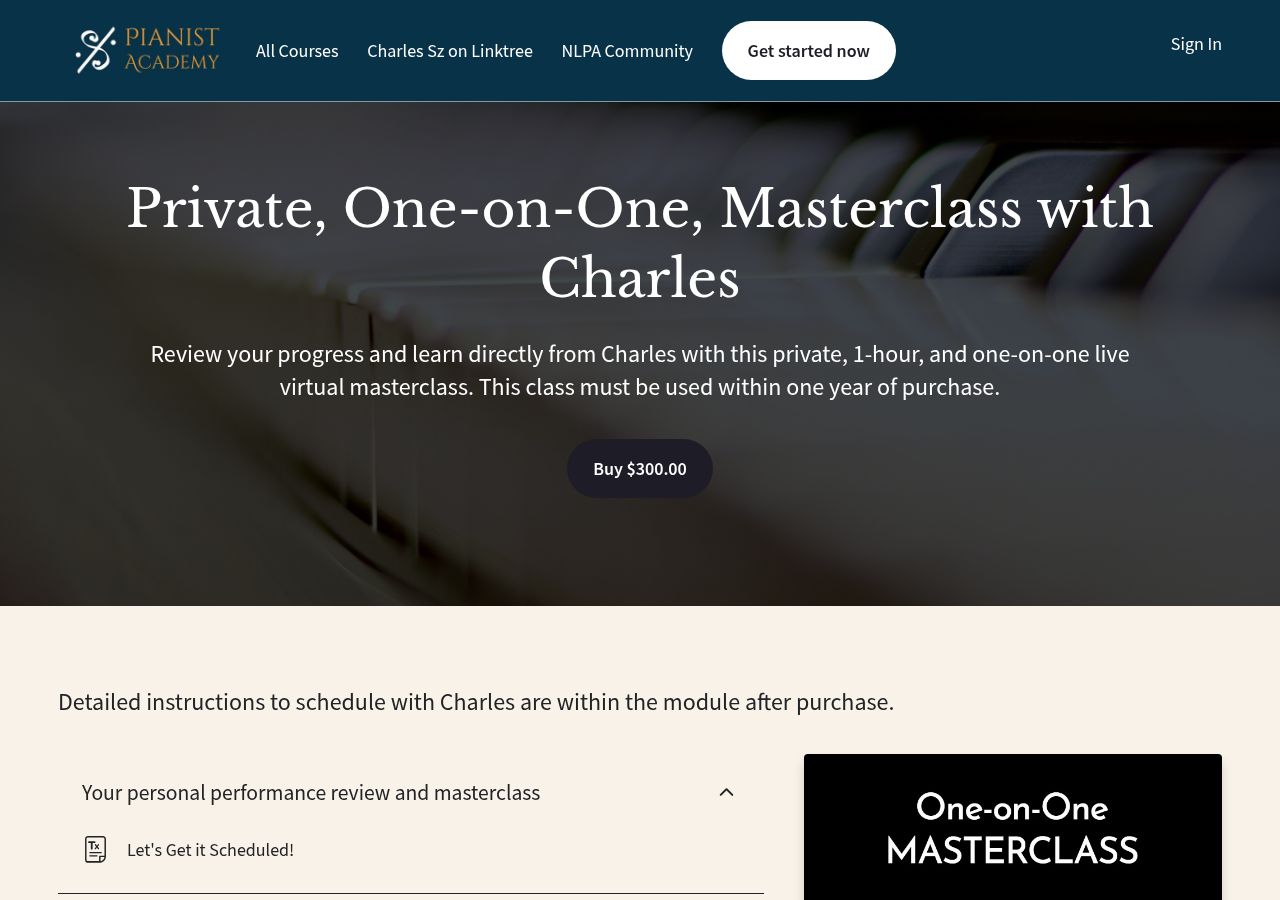
Pianist Academy offers a Private, One-on-One Masterclass with Charles on Thinkific at $300. Unlike typical pre-recorded courses, this offering includes personalized instruction from the instructor, adding a service component that transcends standard course piracy vulnerabilities. A completed piracy scan returned safe results with zero links detected. The $300 price point reflects the premium of individualized musical instruction. Thinkific hosts the course structure while the real value lies in the live interaction — an element that cannot be pirated. Piano education has a passionate global audience, and the masterclass format positions this as a premium offering within Pianist Academy's catalog. Our monitoring infrastructure tracks unauthorized distribution channels specific to this course category and price segment.
Screenshot of original course page
Safe
No unauthorized copies detected
Piracy Threat Analysis
Pianist Academy's one-on-one masterclass represents a piracy-resilient course format. The completed scan confirming zero piracy links aligns with expectations — personalized instruction inherently resists unauthorized redistribution because the core value is the live interaction, not just the content. At $300 on Thinkific, any supplementary materials (sheet music, lesson plans, recorded demonstrations) remain technically vulnerable to piracy, but without the personalized feedback component, pirated materials carry significantly diminished value. Thinkific's platform handles the structural elements adequately for this use case. The safe scan result should be maintained through periodic monitoring, though the risk profile is naturally lower than pre-recorded alternatives. Piano education content does circulate in piracy ecosystems — particularly video lessons and sheet music collections — so Pianist Academy should remain aware that any recorded components of the masterclass could be extracted and shared. The one-on-one format provides strong natural protection, but Pianist Academy should ensure that any session recordings shared with students include visible watermarks and are delivered through controlled channels rather than open download links. This hybrid model of live instruction with recorded supplements represents a best practice that other creators could learn from.
Priced at $300, this course is in a high-risk bracket. Courses between $200-$500 are among the most frequently pirated — the price is high enough to attract pirates but common enough to have significant demand.
Thinkific courses carry a MEDIUM overall piracy risk. The most common piracy sources for Thinkific content include Telegram groups, File-sharing platforms, Torrent sites, Forum posts. On average, pirated copies of Thinkific courses appear 3-6 weeks after launch.
Known Thinkific Vulnerabilities
- •Video lessons can be screen-recorded or captured with browser recording tools
- •Course content lacks DRM encryption, making it accessible once viewed
- •Downloadable resources (PDFs, templates) can be freely redistributed
- •Student accounts can be shared without detection in basic plans
Price Context
At $300, this course is in the top 38% of Thinkific courses we monitor — placing it in the Mid-Range price tier.
Mid-range courses between $200–499 see consistent piracy activity. This is the most common price point for courses appearing on file-sharing platforms.
Online Education Piracy Intelligence
Music education piracy predominantly targets pre-recorded, scalable course content rather than personalized instruction formats. Piano courses, sheet music collections, and music theory programs are widely pirated through YouTube reuploads, torrent sites, and dedicated music education sharing communities. However, one-on-one instruction models like Pianist Academy's masterclass sit in a protected subcategory where the service component cannot be replicated through unauthorized distribution. Compared to standardized piano courses that face high piracy rates, personalized masterclasses enjoy substantially lower risk. The music education niche overall remains one of the more actively pirated categories, driven by global demand and the cultural norm of sharing musical resources.
Thinkific Security Assessment
Built-in Security
- ✓Content protection settings (right-click disable, text selection disable)
- ✓Student progress tracking and completion monitoring
- ✓Custom domain with SSL encryption
- ✓Membership site features for access control
- ✓Integration with third-party tools for additional security
Limitations
- ✗No video DRM or encryption built-in
- ✗Right-click disable is easily bypassed with browser dev tools
- ✗No native watermarking for videos
- ✗Limited session management on lower-tier plans
- ✗No automated piracy detection or alerting
Keep Your Course Protected
Thinkific-Specific Protection Steps
- 1.Enable Thinkific's content protection settings to disable right-click and text selection
- 2.Use video hosting with expiring signed URLs for lesson content
- 3.Watermark all downloadable materials with the purchaser's email address
- 4.Monitor enrollment activity for unusual patterns like rapid course completion
- 5.Use Thinkific's student management tools to review and revoke suspicious accounts
Frequently Asked Questions
How do I know if "Private, One-on-One, Masterclass with Charles - Pianist Academy" is pirated?▾
What platforms do pirates use for Thinkific courses?▾
How much revenue can piracy cost for a $300 course?▾
How at-risk are Thinkific courses to piracy?▾
Does Thinkific offer piracy protection?▾
What should Thinkific creators do if their course is pirated?▾
Monitor "Private, One-on-One, Masterclass with Charles - Pianist Academy"
Your course is safe for now, but piracy can appear at any time. Set up monitoring to get alerted immediately.